Archives
- 2026-10
- 2026-09
- 2026-08
- 2026-07
- 2026-06
- 2026-05
- 2026-04
- 2026-03
- 2026-02
- 2026-01
- 2025-12
- 2025-11
- 2025-10
- 2025-09
- 2025-03
- 2025-02
- 2025-01
- 2024-12
- 2024-11
- 2024-10
- 2024-09
- 2024-08
- 2024-07
- 2024-06
- 2024-05
- 2024-04
- 2024-03
- 2024-02
- 2024-01
- 2023-12
- 2023-11
- 2023-10
- 2023-09
- 2023-08
- 2023-07
- 2023-06
- 2023-05
- 2023-04
- 2023-03
- 2023-02
- 2023-01
- 2022-12
- 2022-11
- 2022-10
- 2022-09
- 2022-08
- 2022-07
- 2022-06
- 2022-05
- 2022-04
- 2022-03
- 2022-02
- 2022-01
-
CH5138303 receptor In our previous study adiponectin system
2024-01-26
In our previous study, adiponectin system (genes and proteins) expression in the porcine endometrium and myometrium was observed on Days 2 to 3, 10 to 12, 14 to 16, and 17 to 19 of the estrous cycle [23]. Adiponectin receptors expression (mRNA) in the porcine endometrium was described by Lord et al.
-
br Conclusions br Funding br Acknowledgements and Disclosure
2024-01-26
Conclusions Funding Acknowledgements and Disclosures We would like to thank veterinarian Angelina Williams and assistants Justin Courson, Ashutosh Jnawali, Mythri Puella, Santoshi Ramachandran, and Zhihui She for support during dissections. We also thank Drs. Vallabh Das, Deborah Otteson an
-
Adenosine can modulate neutrophil bactericidal functions A d
2024-01-26
Adenosine can modulate neutrophil bactericidal functions. A dual regulatory effect has been reported for adenosine on phagocytosis. Indeed, the activation of A1 receptors augments this process, while the stimulation of A2A receptors was found to reduce the phagocytic activity of neutrophils [89]. In
-
BAN ORL 24 australia In terms of the ring B C position while
2024-01-26
In terms of the ring B C5′ position, while C5′-F (compound ) was tolerated, C5′-Me (compound ) and C5′-Cl (compound ) substitutions resulted in a loss in potency. However, the C5′-OMe substitution (compound ) resulted in a ∼3-fold increase in potency compared to . Modeling suggested a pseudo hydroge
-
The theoretical calculations of ADME parameters molecular we
2024-01-26
The theoretical calculations of ADME parameters (molecular weight (MW), log P, topological polar surface are (tPSA), number of hydrogen donors (nON) and acceptors (nOHNH), and volume) and DLS are presented in along with the violations of Lipinski’s rule. According to these data, all compounds (–) co
-
Metaphit br Regulation and pharmacology of mPGES mPGES kDa
2024-01-26
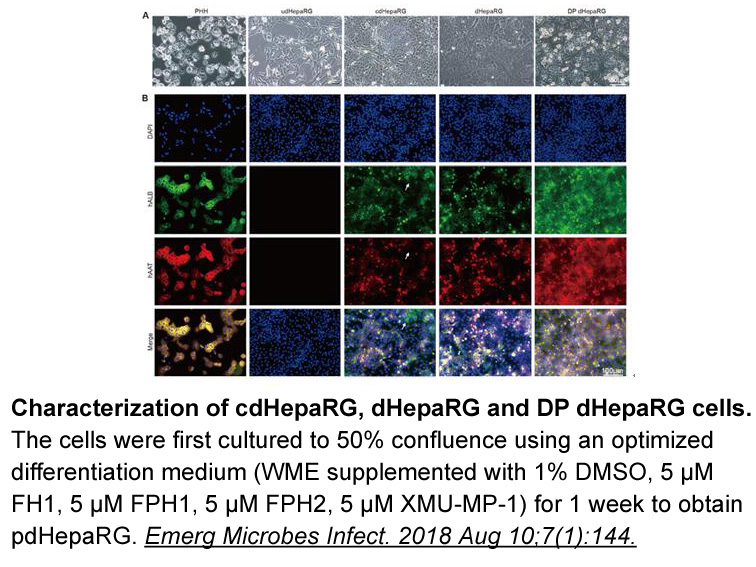
Regulation and pharmacology of mPGES-1 mPGES-1 (16 kDa, 152 amino acids) is a trimeric integral membrane protein of the endoplasmic reticulum with each monomer containing four transmembrane domains (Samuelsson et al., 2007; Sjogren et al., 2013). The three active site cavities are located at the
-
A role for YAP in mediating resistance to EGFR inhibition
2024-01-26
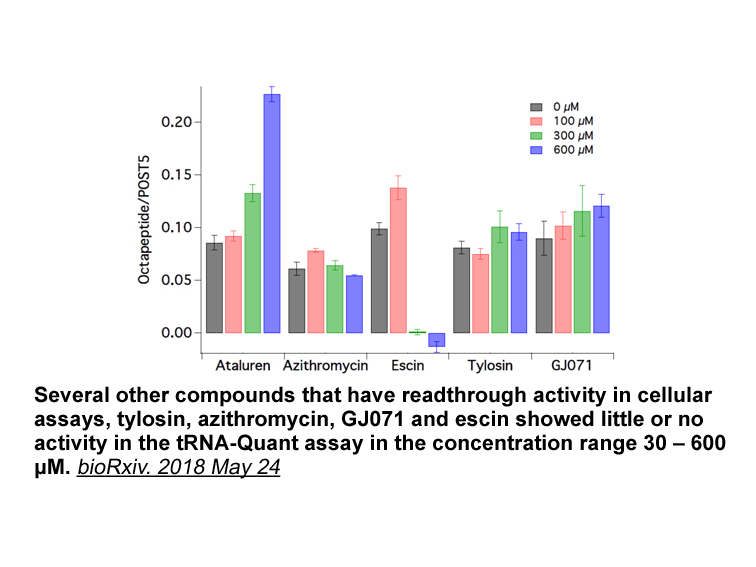
A role for YAP in mediating resistance to EGFR inhibition has also been described [28], [29]. In line with these evidences, we observed increased YAP activation in all the generated EGFR TKI–resistant cells, testified by decreased phosphorylation on the inhibitory serine 127, enhanced nuclear locali
-
Evidences have suggested that impairment of CK activity
2024-01-25
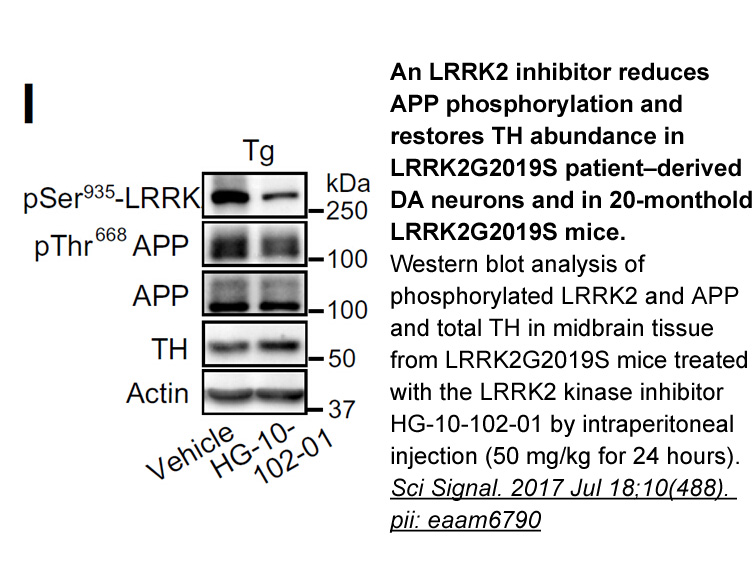
Evidences have suggested that impairment of CK activity contributes to inhibition of Na+, K+-ATPase and H+-ATPase activities during infectious diseases, since these ATPases are dependent of ATP, as observed by Baldissera et al. [31] in fish experimentally infected by Aeromonas caviae. We observed th
-
Calcineurin has been established to be
2024-01-25
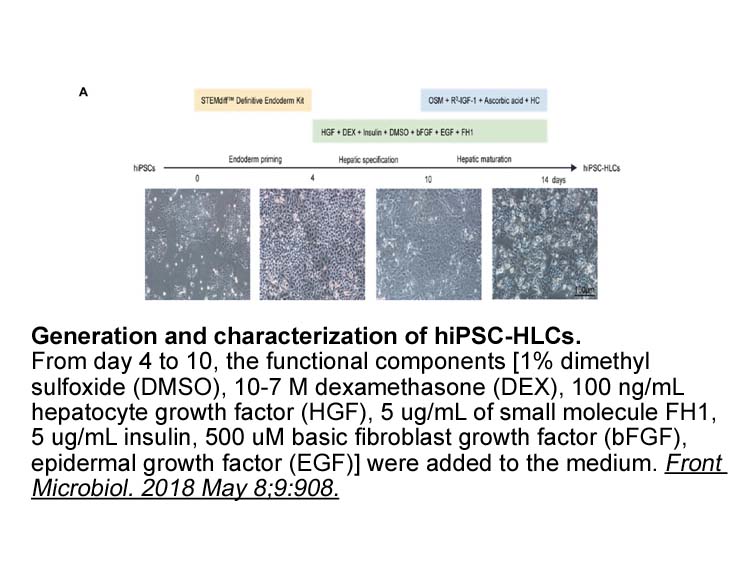
Calcineurin has been established to be a ubiquitous Ca2+-activated serine phosphatase in the nervous system (Pyrzynska et al., 2001). It has been reported that the activation of calcineurin protects aromatase from autophagy-mediated protein degradation, implying that calcineurin-dependent dephosphor
-
br APJ expression in metabolic diseases Under
2024-01-25
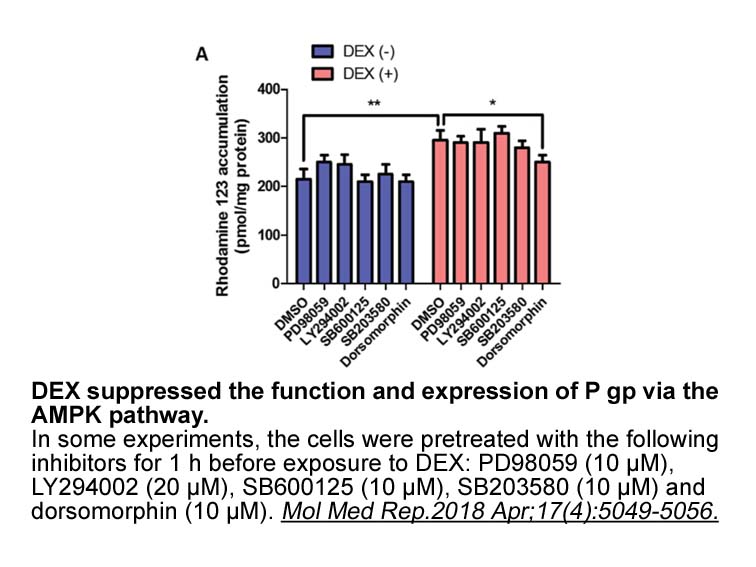
APJ expression in metabolic diseases Under physiological conditions, APJ is present in humans as well as in mouse tissues with high metabolic activity such as muscle and adipose tissue but not in the liver. Moreover, the presence and regulation of APJ in established adipocyte or muscle cell lines
-
In addition understanding the relationship between human met
2024-01-25
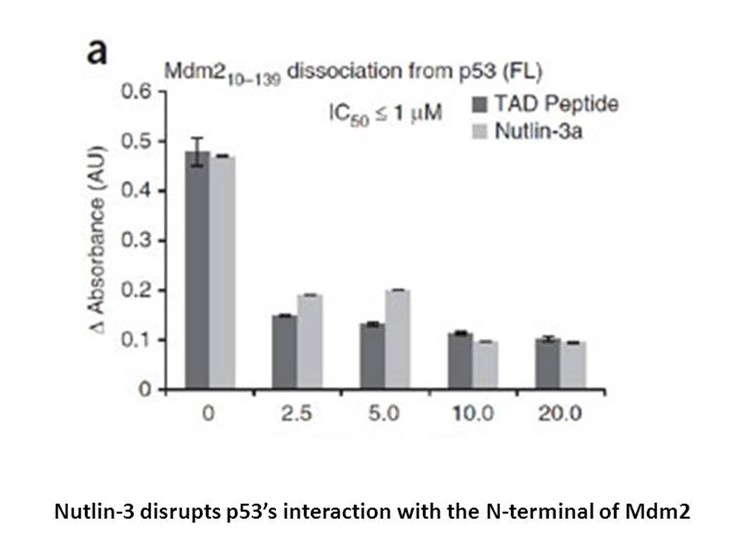
In addition, understanding the relationship between human metabolic processes and dietary antioxidant intake would provide opportunities for altering the diet to improve health (Prior, 2015). Prior et al. (2007) emphasized that excess reactive oxygen species, which occurred during the metabolism of
-
Current treatment options for corneal neovascularization inc
2024-01-25

Current treatment options for corneal neovascularization include topical application of steroids220, 25, 35, 43 or surgical interventions: laser ablation,14, 203, 234, 48 photodynamic therapy (PDT),4, 93 and fine-needle diathermy.221, 238, 240, 261 Targeting proangiogenic molecules with topical or s
-
Doripenem Hydrate Finally impaired endothelial integrity cul
2024-01-25

Finally, impaired endothelial integrity culminates in an increased plasma protein concentration in the interstitial space, and thus accumulation of fluid in the ECM, favoring the swelling of the face and limbs [2] mainly. Concurrently with this systemic change, there is intense activation of coagula
-
AR Vs are truncated AR
2024-01-25
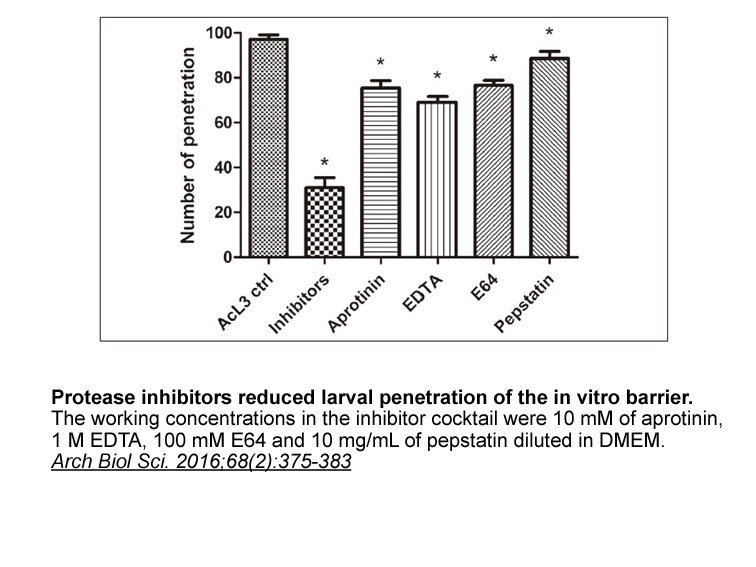
AR-Vs are truncated AR proteins lacking the AR ligand-binding domain (AR-LBD) [6]. While AR-Vs have frequently been detected in CRPC, their expression and functional role in benign prostate tissues and primary prostate cancers is not readily apparent. Structural rearrangements in the AR gene and alt
-
br Material and methods br Results
2024-01-25
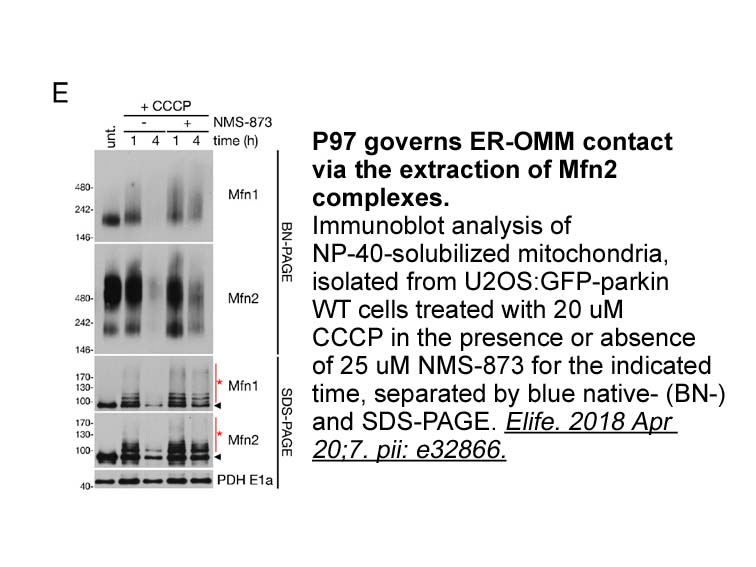
Material and methods Results Discussion Nimodipine administration inhibited the level of AMP-activated protein kinase (AMPK) phosphorylation, a sensor of cellular energy status that directs metabolic 7545 to support cellular growth and survival. CCH influences the oxygen and glucose supply
8719 records 247/582 page Previous Next First page 上5页 246247248249250 下5页 Last page