Archives
- 2026-10
- 2026-09
- 2026-08
- 2026-07
- 2026-06
- 2026-05
- 2026-04
- 2026-03
- 2026-02
- 2026-01
- 2025-12
- 2025-11
- 2025-10
- 2025-09
- 2025-03
- 2025-02
- 2025-01
- 2024-12
- 2024-11
- 2024-10
- 2024-09
- 2024-08
- 2024-07
- 2024-06
- 2024-05
- 2024-04
- 2024-03
- 2024-02
- 2024-01
- 2023-12
- 2023-11
- 2023-10
- 2023-09
- 2023-08
- 2023-07
- 2023-06
- 2023-05
- 2023-04
- 2023-03
- 2023-02
- 2023-01
- 2022-12
- 2022-11
- 2022-10
- 2022-09
- 2022-08
- 2022-07
- 2022-06
- 2022-05
- 2022-04
- 2022-03
- 2022-02
- 2022-01
-
Song et al reported series of triazolylsalicylamide
2024-06-07

Song et al. reported series of 1,2,3-triazolylsalicylamide derivatives and screened over kinase panel and found compound 31 as most potent which inhibited Aurora-A, specifically with IC50 of 0.37 μM. Compound 31 was about 10-fold more active for Aurora-A than for Aurora-B (IC50 = 3.58 μM reported se
-
Compound was synthesized by reacting amino methoxybenzoate w
2024-06-07
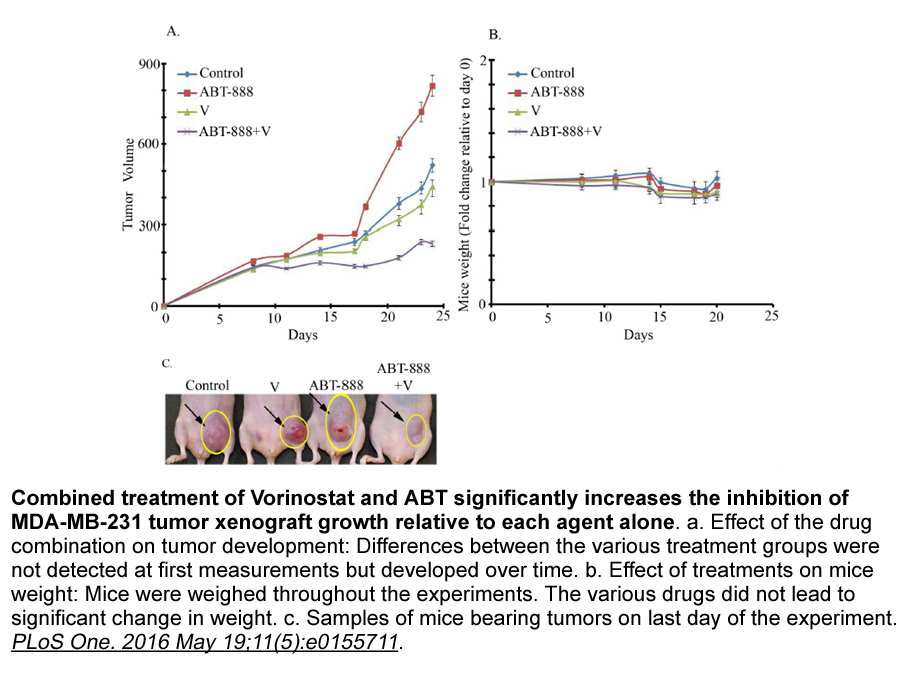
Compound 31 was synthesized by reacting 5-amino-2-methoxybenzoate (28) with ethanesulfonyl chloride in the presence of pyridine in DCM to give sulfonamide 29. Hydrolysis of 29 by aqueous sodium hydroxide afforded the Malonic acid 30 which was converted to the acid chloride by heating in thionyl chl
-
Secondly leptin has been shown to enhance aromatase mRNA exp
2024-06-07
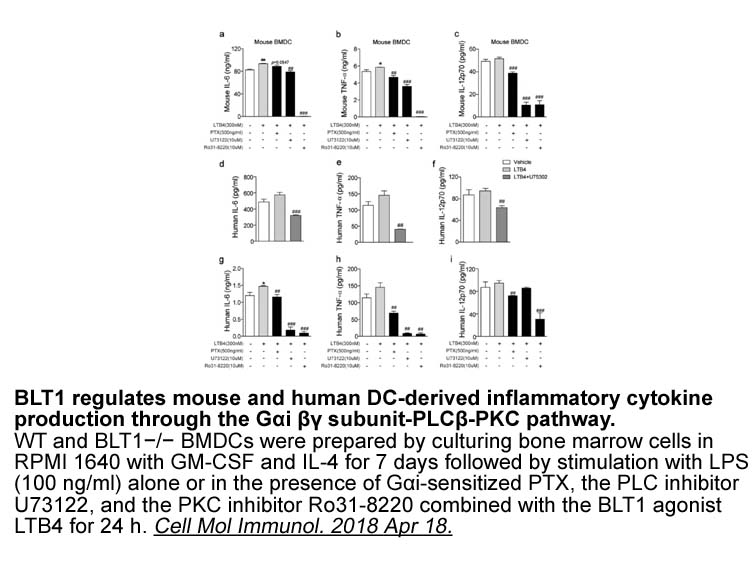
Secondly, leptin has been shown to enhance aromatase mRNA expression, aromatase content and its enzymatic activity in epithelial breast cancer GSK2606414 by inducing promoters II and I.3 via an enhanced binding of transcription activator protein 1 (AP-1) complex to specific DNA sites in the promoter
-
Mitochondrial dysfunction resulting from mtDNA abnormalities
2024-06-07
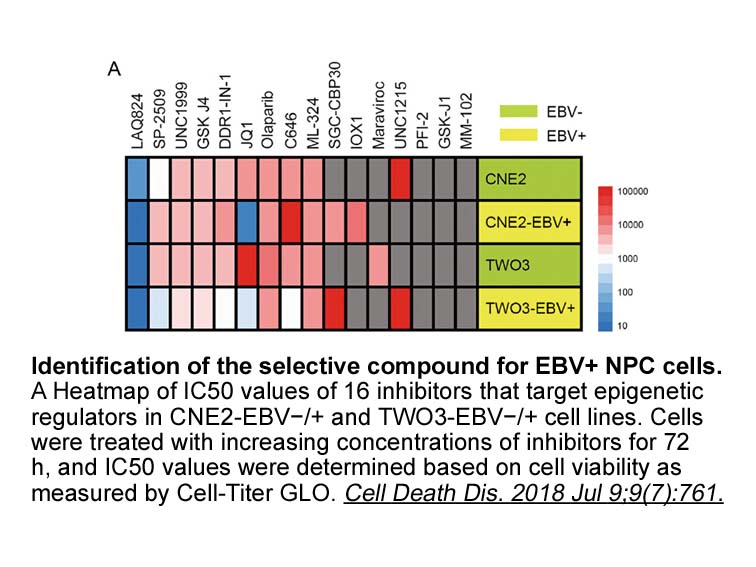
Mitochondrial dysfunction resulting from mtDNA abnormalities may trigger retrograde signaling pathways from the mitochondrion to the nucleus, which regulate the expression of genes involved in diverse cellular processes, including metabolism, stress responses, tumor progression, nutrient sensing, li
-
Since E was shown to affect the expression of
2024-06-06

Since E2 was shown to affect the expression of Hsps, the transcript expression levels of another 11 Hsps were also evaluated by real-time PCR with their specific primers. The transcripts of 4 proteins (Hsp10, Hsp56, Hsp70a and Hsp110) were significantly up-regulated, but that of Hsp47 was significan
-
In another study Yerra and Kumar used streptozotocin
2024-06-06
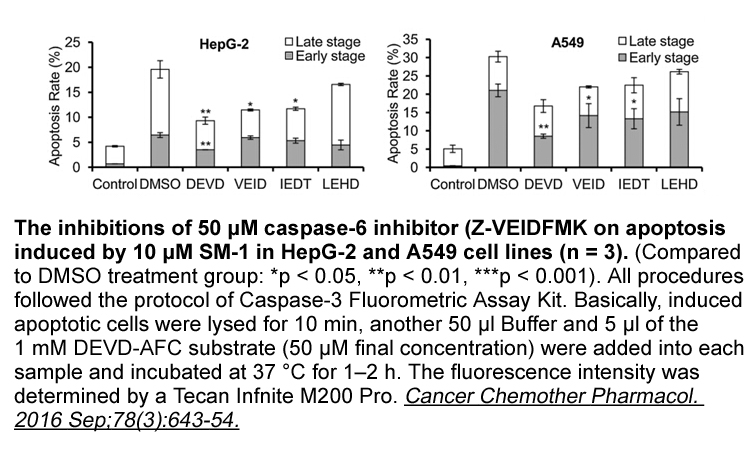
In another study, Yerra and Kumar (2016) used streptozotocin to induce diabetic neuropathy in rats. Mechanical/thermal hyperalgesia, motor/sensory nerve conduction velocities (MNCV and SNCV) and sciatic nerve blood flow (NBF) were evaluated. In vitro studies of Neuro2a (N2A) cell culture were perfor
-
Initially DPP DPP and prolyl tripeptidyl peptidase
2024-06-06
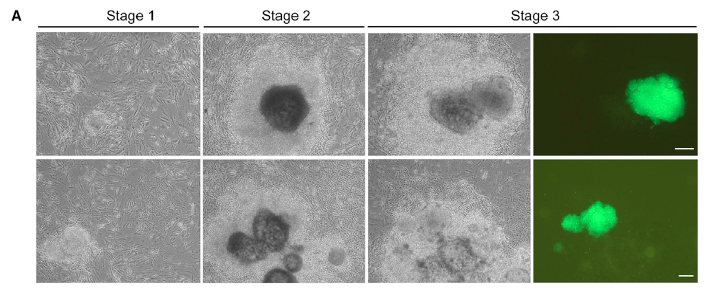
Initially, DPP4, DPP7, and prolyl tripeptidyl peptidase A (PtpA) were the only exopeptidases identified in P. gingivalis. These share substrates according to their altered specificities, as DPP4 is highly specific for Pro at the penultimate position from the N-terminus (P1 position), though it accep
-
The complex role of the human intestinal
2024-06-06
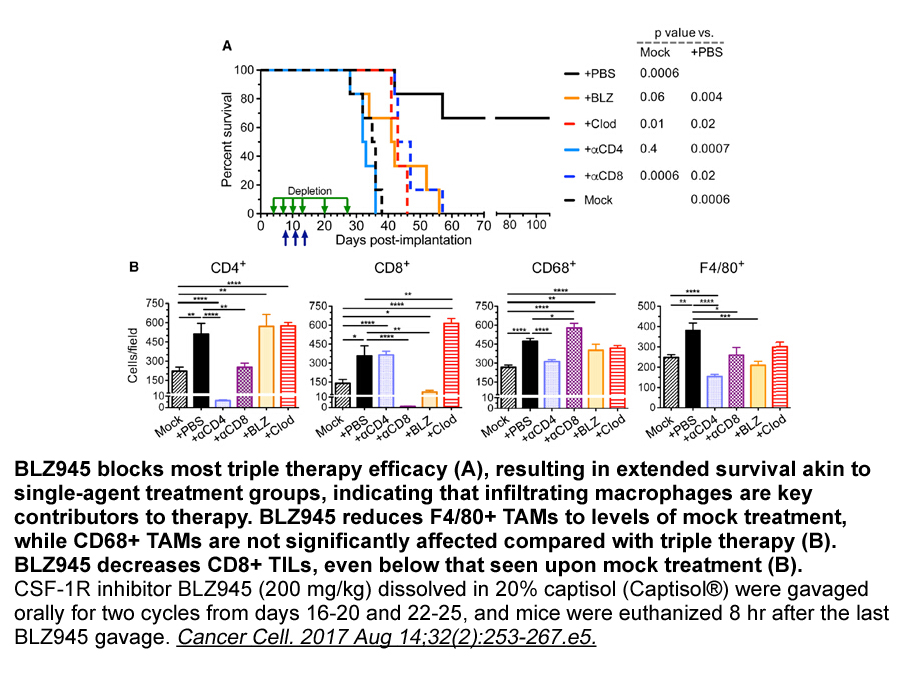
The complex role of the human intestinal microbiota is emerging and its functions has been elucidated when considering energy metabolism, nutrient digestion, vitamin synthesis, epithelial defenses and immune responses [34]. The colon is responsible for salvage of energy and possibly nitrogen from ca
-
The proposed formulation is however challenging to solve
2024-06-06
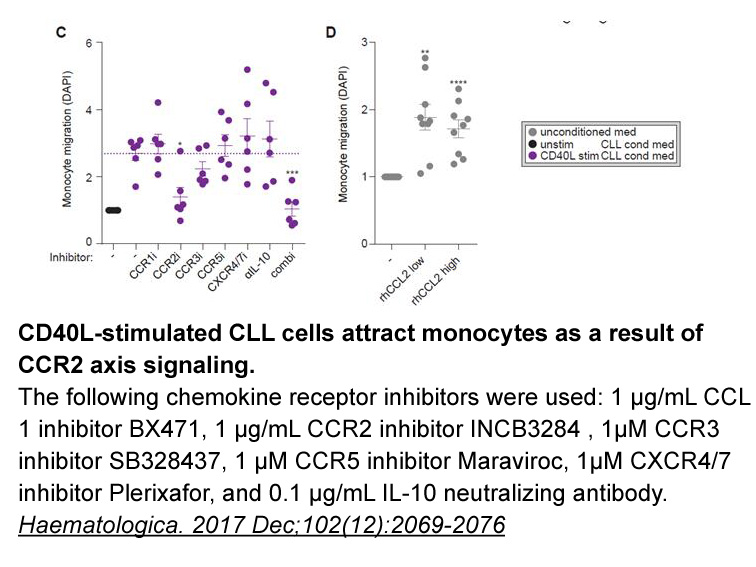
The proposed formulation is, however, challenging to solve since the structured sparsity-inducing norms are non-smooth. In order to solve the new objective function, we consider two different approaches: proximal averaging, which takes the average the solutions from the proximal operator for the ind
-
br Disclosure br Acknowledgments br Introduction Anaplastic
2024-06-06
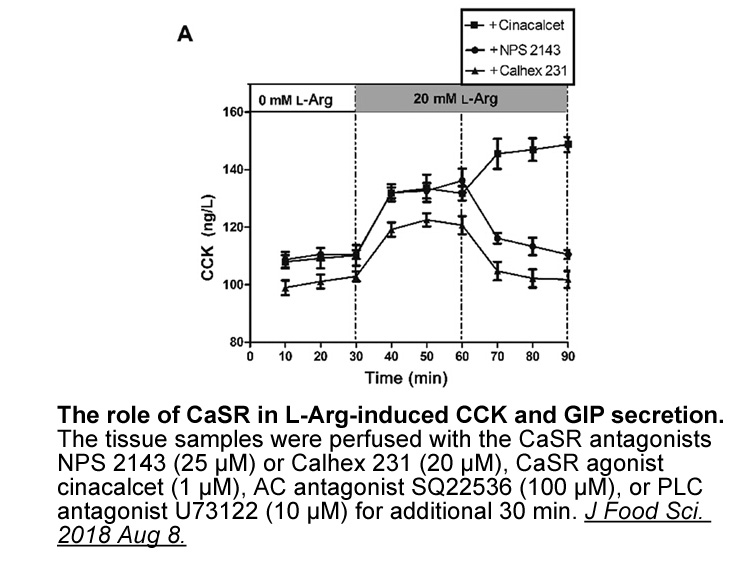
Disclosure Acknowledgments Introduction Anaplastic lymphoma kinase (ALK), a receptor tyrosine kinase, belongs to the insulin receptor kinase subfamily [1]. Oncogenic activation of ALK is associated with the Ro 08-2750 and progression of multiple human cancer types [2,3], including anaplast
-
Blockers will reduce perioperative myocardial ischemia and s
2024-06-06

β-Blockers will reduce perioperative myocardial ischemia and studies published in the 1990s suggested that their routine administration before surgery provided protection against perioperative CV complications.31., 32., 33. Based on these early studies, several national organizations endorsed the pe
-
Our in vitro data show that CyaA
2024-06-06
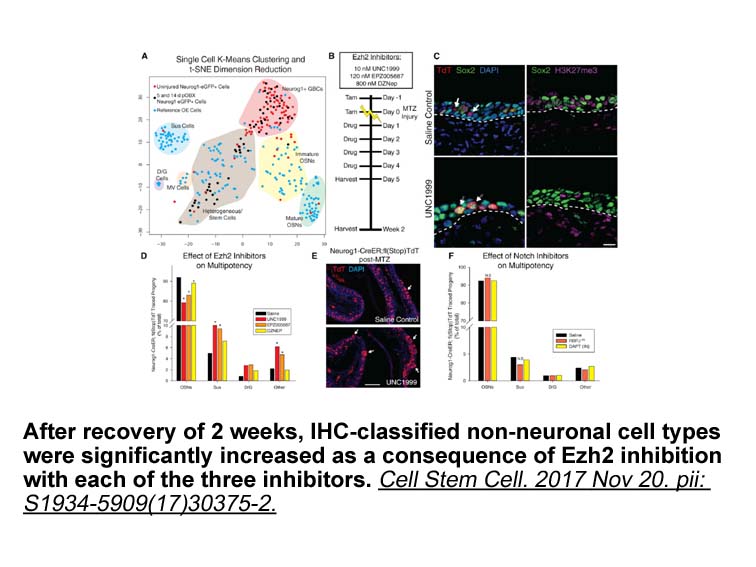
Our in vitro data show that CyaA does not play a critical role in the bacterial adherence to mammalian cells. This observation is in contrast to previous studies that reported a role for CyaA in FHA-mediated adherence of B. pertussis bacteria to the respiratory epithelial Loratadine australia [37,3
-
The cytoplasmic domain of muscle AChR is not accessible to
2024-06-06

The cytoplasmic domain of muscle AChR is not accessible to AZD8186 in vivo. Theoretically, therapy with the cytoplasmic domains should be safe. Safety is demonstrated by the facts that: (1) rats repeatedly immunized with the cytoplasmic domains in TiterMax adjuvant do not develop EAMG, although the
-
br Methods br Transparency document br Introduction Epinephr
2024-06-06
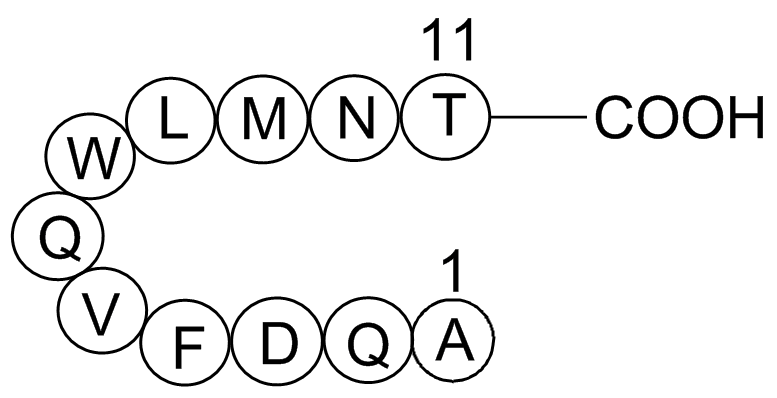
Methods Transparency document Introduction Epinephrine (EP) is a critical hormone and catecholamine neurotransmitter in nervous system of mammals.1, 2, 3 It has been known to accelerate and regulate heartbeat, blood pressure, bronchodilation, mydriasis, blood sugar and lipolysis, and can he
-
The indirect effect of corporate
2024-06-06

The indirect effect of corporate taxation, as given by the second term in Eq. (18), consists of two elements; (i) a standard BS-181 effect (τ/n2), and (ii) a capital cost effect (rG(1−αt)/(1−t)). With a CRS technology, the cost effect vanishes, whereas with an IRS (a DRS) technology the cost effect
8721 records 176/582 page Previous Next First page 上5页 176177178179180 下5页 Last page