Archives
- 2026-10
- 2026-09
- 2026-08
- 2026-07
- 2026-06
- 2026-05
- 2026-04
- 2026-03
- 2026-02
- 2026-01
- 2025-12
- 2025-11
- 2025-10
- 2025-09
- 2025-03
- 2025-02
- 2025-01
- 2024-12
- 2024-11
- 2024-10
- 2024-09
- 2024-08
- 2024-07
- 2024-06
- 2024-05
- 2024-04
- 2024-03
- 2024-02
- 2024-01
- 2023-12
- 2023-11
- 2023-10
- 2023-09
- 2023-08
- 2023-07
- 2023-06
- 2023-05
- 2023-04
- 2023-03
- 2023-02
- 2023-01
- 2022-12
- 2022-11
- 2022-10
- 2022-09
- 2022-08
- 2022-07
- 2022-06
- 2022-05
- 2022-04
- 2022-03
- 2022-02
- 2022-01
-
In this study in an
2024-07-12
In this study, in an effort to explore the possible role of 5-HT6 receptors in mediating the memory-enhancing effects of YL-0919, we first assessed the memory-enhancing effects of YL-0919 in the Morris water maze, object recognition test and step-down passive avoidance task. In addition, we then inv
-
br Concluding Remarks The effects of
2024-07-12
Concluding Remarks The effects of point mutations of the four ARs on ligand binding affinities, functional potencies, and efficacies constitute a valuable source of pharmacological information. We analyzed the existing data and mapped it on the collection of available AR crystal structures, allow
-
GMF was later localized to the cytosol of primary
2024-07-12
GMFβ was later localized to the cytosol of primary astrocytes and glioma cell lines [67], prompting investigations into its involvement in intracellular signaling. It was found that PKA phosphorylation of GMFβ inhibits the ERK1/2 branch of the MAP kinase pathway [73], yet activates the stress-respon
-
To understand the kinase selectivity profile
2024-07-12

To understand the kinase selectivity profile of this series, U-104 australia , as a representative analog from this series, was profiled against 216 purified protein kinases representing the tyrosine and serine/threonine kinase families using an in-house Caliper EZ Reader mobility shift assay. Assa
-
These results from the present study are summarized in Table
2024-07-11
These results from the present study are summarized in Table 1. Eight drugs (doxorubicin, epirubicin, daunorubicin, idarubicin, irinotecan, imatinib, sunitinib and gefitinib) inhibited 5-HT-induced 5-HT3A and 5-HT3AB currents; three (irinotecan, topotecan and mitoxantrone) showed different responses
-
7915 Based on the extracellular domain structures we can inf
2024-07-11
Based on the extracellular domain structures, we can infer that the dimer arrangement of GABAB receptor will undergo substantial changes upon receptor activation (Geng et al., 2013). First, agonist-stimulated closure of GABAB1 VFT would cause an upward rotation of its LB2 domain, coupled with an inw
-
br Conclusion We have identified potential inhibitors
2024-07-11
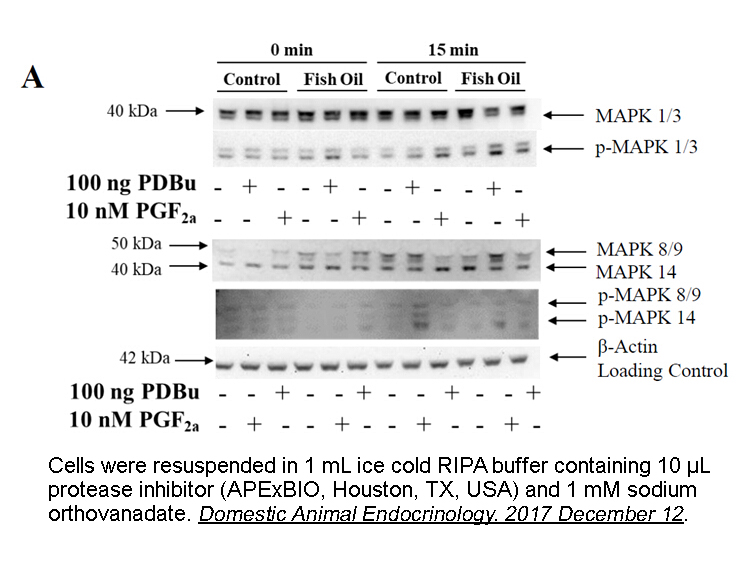
Conclusion We have identified potential inhibitors of C. albicans fungus specific nuclear target outer kinetochore Dam1 complex subunit Ask1, virtually screened through the PubChem compounds database (NCBI, USA) by utilizing state-of-art in silico methods in a pipeline. The 3D protein structure o
-
Researchers demonstrated that mitochondria are
2024-07-11
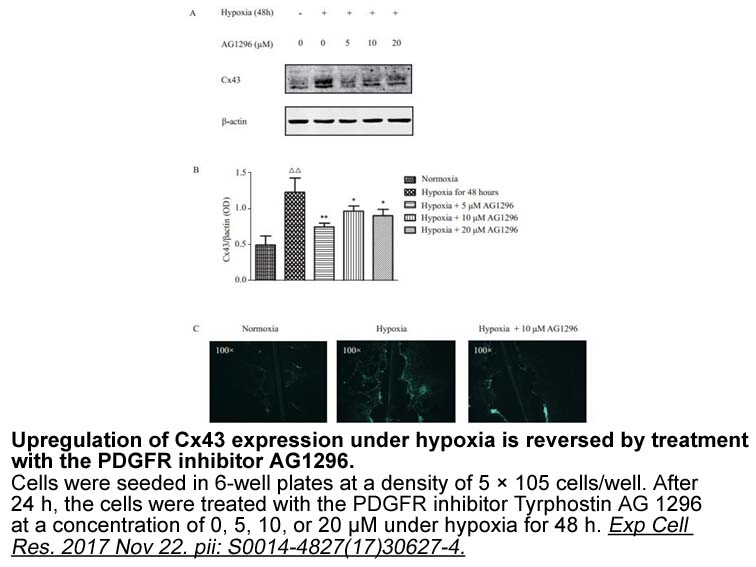
Researchers demonstrated that mitochondria are the main producers of ROS and are the most sensitive to the effects of ROS. Mitochondria-mediated apoptosis may not be limited to the role of cytochrome c in the activation of caspase-3 and ROS may provide an alternate mitochondrial signaling pathway (H
-
br Conclusion br Competing interests br Funding The Bolger P
2024-07-11
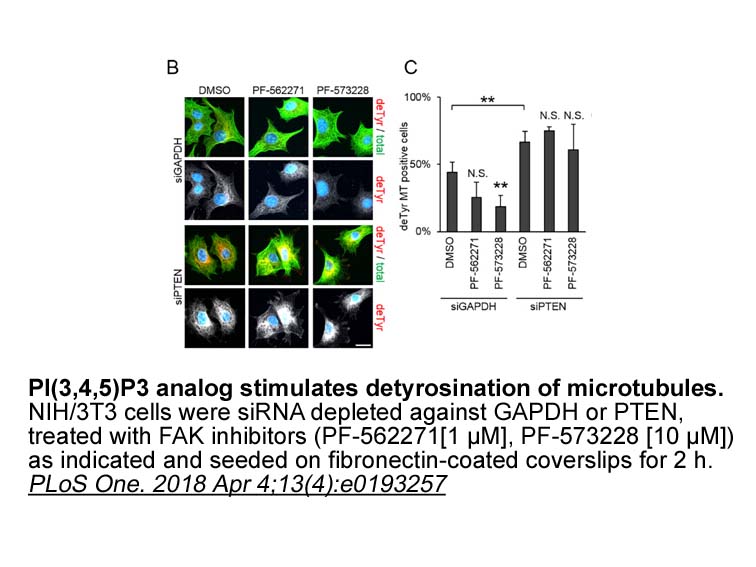
Conclusion Competing interests Funding The Bolger Prostate Cancer Research Fund (no grant number), the National Institute of General Medical Sciences of the National Institutes of Health (1-R01-GM58553, G. B. Bolger, principal investigator), and the National Cancer Institute of the NIH to t
-
estrone Prolonged duration of antimicrobial agents
2024-07-11
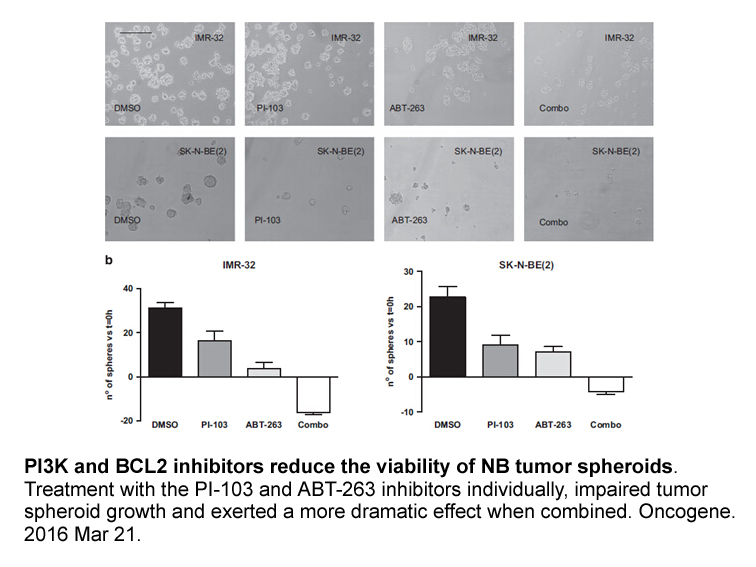
Prolonged duration of antimicrobial agents is also associated with increased risk of CDI by extending the time disruption of normal enteric flora. This emphasizes the importance for clinicians to adhere to shorter durations of therapy. Although longer durations of therapy are associated with a great
-
The specific mechanism and neurotoxic
2024-07-11
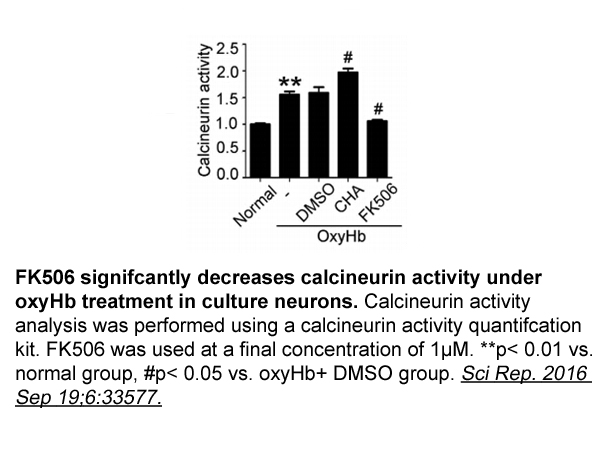
The specific mechanism and neurotoxic Aβ cc-5013 synthesis are yet to be elucidated, however recent studies have provided significant evidence for the amyloid channel hypothesis. These reports have established that relatively small oligomers ( Conflict of interest Acknowledgements This work wa
-
Linagliptin is a recently approved dipeptidyl peptidase DPP
2024-07-11
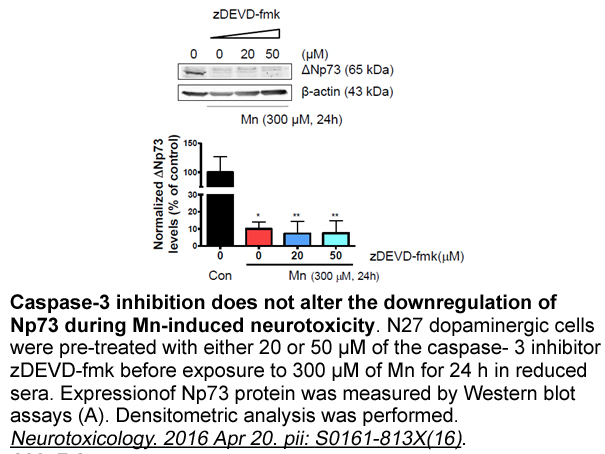
Linagliptin is a recently approved dipeptidyl peptidase-4 (DPP-4) inhibitor and widely considered as first-line treatment for patients with type 2 diabetes. DPP-4 is responsible for the inactivation of incretin hormones, such as glucagon-like peptide 1 (GLP-1). GLP-1 is released by the intestine aft
-
A straightforward synthetic pathway was adopted to synthesiz
2024-07-11
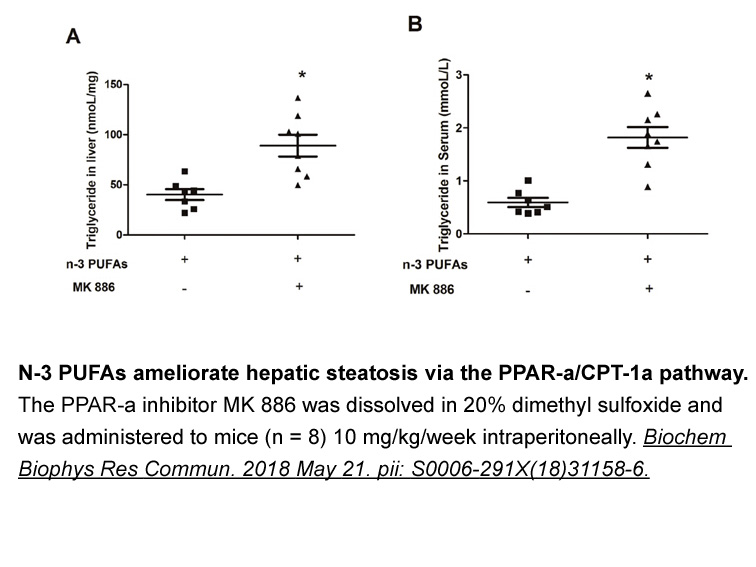
A straightforward synthetic pathway was adopted to synthesize the target compounds as outlined in . The starting chloromethylquinazolinones (–) were synthesized from anthranilic 3 methyladenine in two steps following reported procedures., , , The first step involves chloroacetylation of anthranili
-
Perhaps the discovery of this linkage has served
2024-07-10

Perhaps the discovery of this linkage has served to catapult much of the work on ABCA1, leaving its family member in need of a relationship with a defined human pathology. In this regard, there is by now a quite mature literature that suggests that ABCA2 may have been overlooked in terms of its impo
-
When added to the culture medium extracellular ATP is metabo
2024-07-10

When added to the culture medium, extracellular ATP is metabolized into adenosine by ectonucleotidases, and ARs are then activated by adenosine with concentrations in the micromolar range [27]. However, our study showed that activation of ARs by exogenous adenosine could not induce the odontoblastic
8721 records 157/582 page Previous Next First page 上5页 156157158159160 下5页 Last page